
Mission · Established May 2025
We help policymakers and businesses make confident decisions in a transitioning economy.
PLANiT is a nonprofit research institute providing model-based analytic solutions — a bridge between data and insight for civil society, industry, and policy.
17Published reportsSince 2025
31Field insightsUpdated weekly
8Sectors coveredEnergy → Maritime
8ResearchersIn the team
◆ Featured works
Latest reports
Aug 2026Steel & Heavy Industry·PetrochemicalsA Korean Market Stability Reserve (K-MSR) for industrial decarbonisationProposes a Korean Market Stability Reserve: an auction floor price starting at KRW 40,000 in 2026, rising 7% annually in real terms, with unsold allowances permanently cancelled.→
Jun 2026Energy SystemsQuantifying Climate Risk Premium in Coal power plant: A case study of Samchoek Power PlantPLANiT built the Climate Risk Premium (CRP) model, which re-prices an asset's value by applying both physical and transition risk. The analysis found that Samcheok Blue Power's credit rating, currently A+, could fall to the lower end of investment grade or into speculative grade depending on the scenario.→
Feb 2026PetrochemicalsEnergy policy and petrochemical transition: cost is in energy, not constructionMixed-integer optimisation model showing that energy prices—not capex—determine petrochemical decarbonisation costs.→
Feb 2026Shipping & MaritimeDecarbonisation Hasn't Stopped: Korea's Shipping Choices Amid Regulatory DelayQuantitative analysis of how Korean shipping's fuel mix and total costs shift under the IMO mid-term measure's delay, and why government policy is the decisive lever for the transition.→
Feb 2026PetrochemicalsGlobal decarbonisation policies: lessons for Korea's petrochemical industryPolicy lessons from Germany, Japan, and the EU for Korea's petrochemical sector decarbonisation.→
Jan 2026Steel & Heavy IndustrySpeed creates economic value: socioeconomic benefits of Korea's low-carbon steel transitionInput-output analysis showing that faster steel decarbonisation creates more GDP and jobs than delayed transition—reframing the low-carbon transition as an economic opportunity.→
◆ Sectors
Eight sectors. One transition.
◆ Team
The people behind the numbers

Jinsu Park
Co-founder & Executive Director

Sanghyun Hong
Co-founder & Lead Scientist
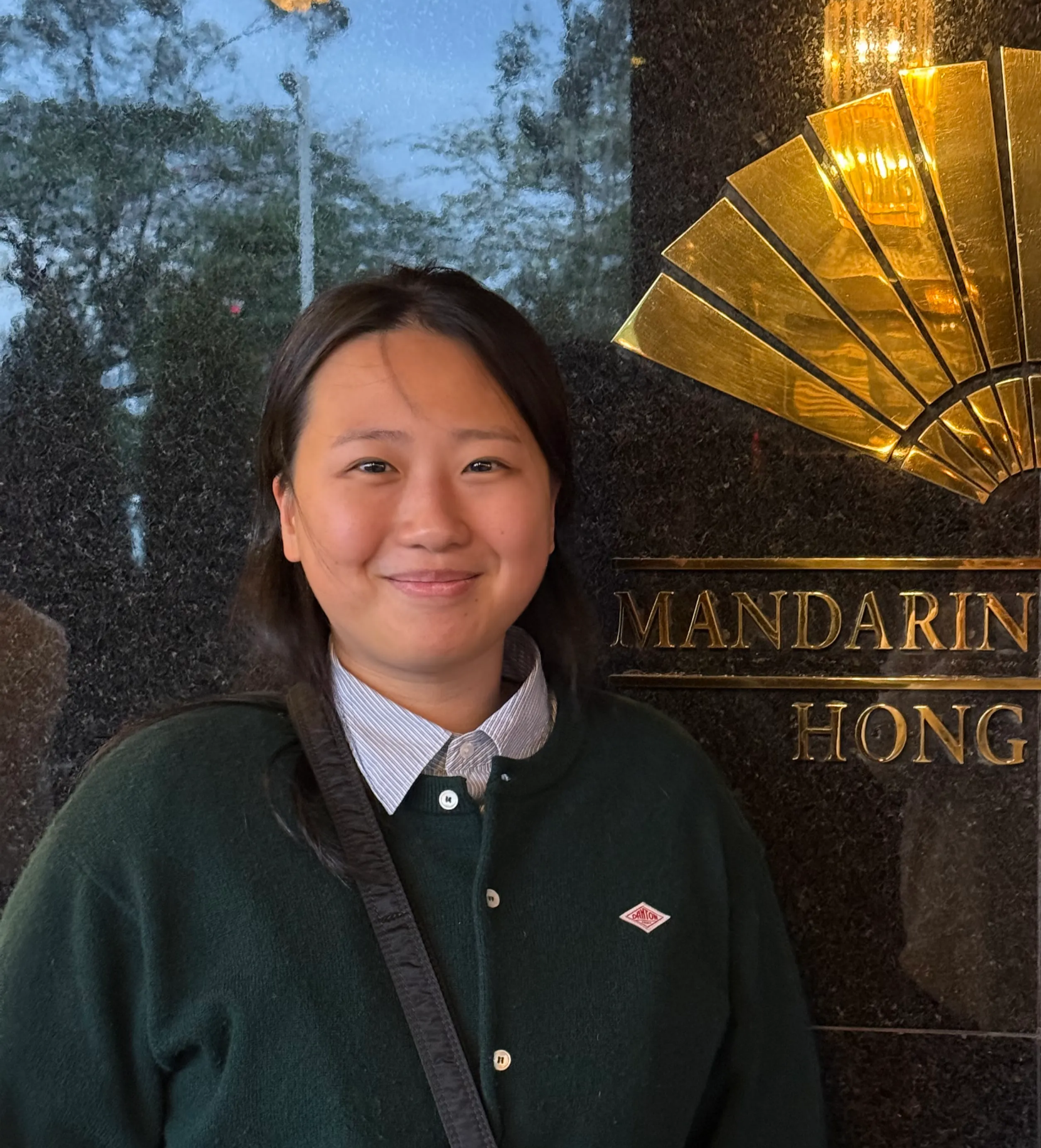
Junga Kwon
Senior Operations Manager

Hyeryoun Chi
Lead Researcher (Shipping & Shipbuilding)

Joowon Kweon
Senior Researcher (Finance & Economy)
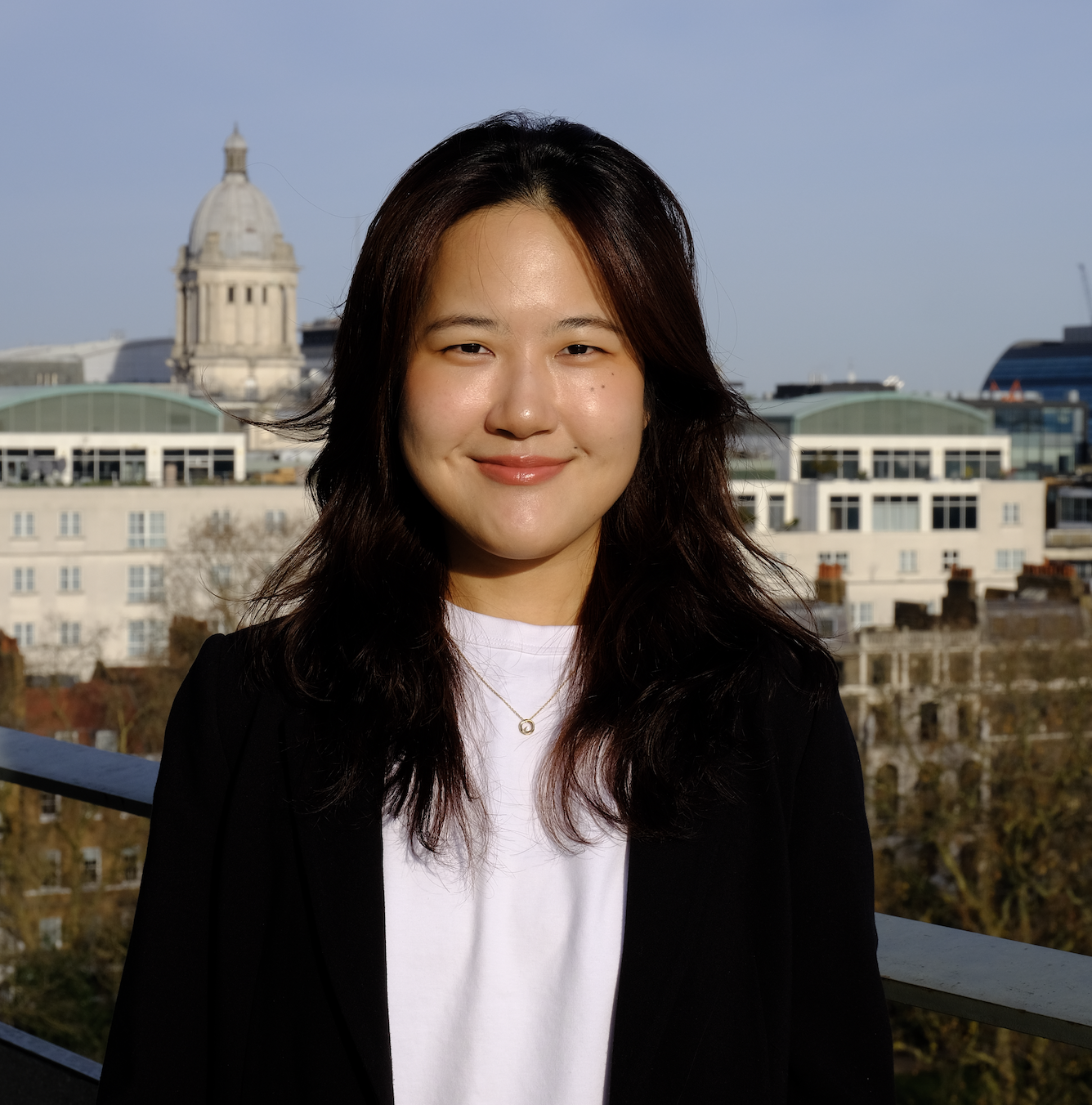
Jahyun Kim
Senior Researcher (Energy & Policy)

Sojin Jun
Researcher (Energy & Shipping)

Hyunsung Hwang
Researcher (Finance & Economy)